
7 First‑Time Buyers Outsmart Maintenance and Repair vs DIY
— 6 min read
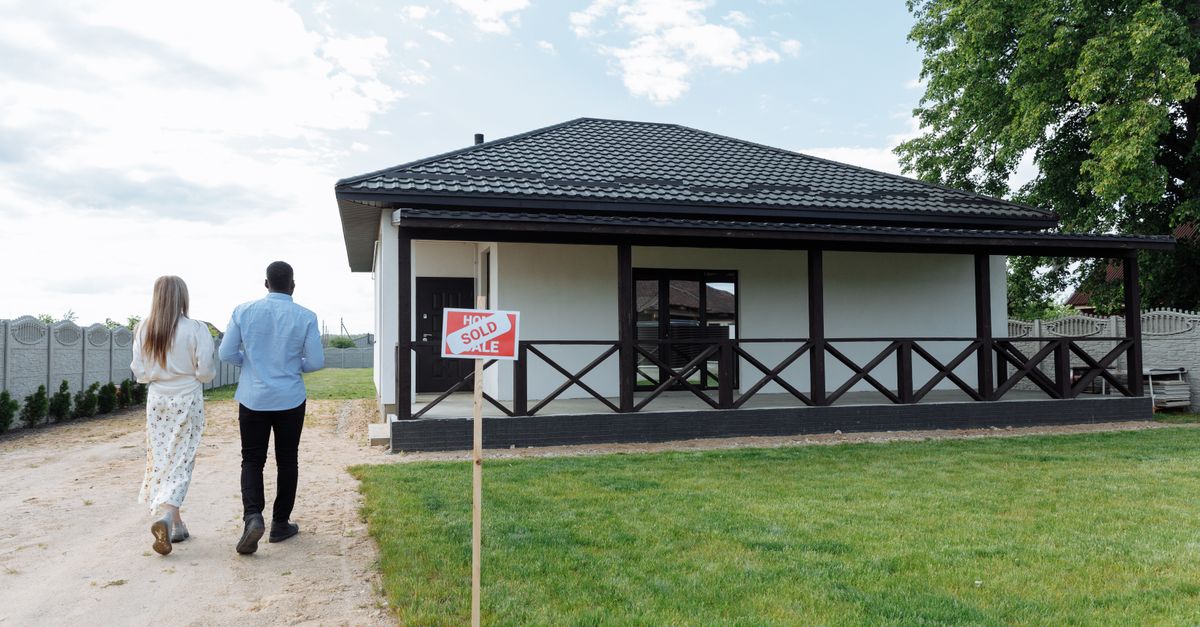
First-time buyers can avoid $250,000 in unexpected repair costs by planning a 30-year maintenance strategy in just one year.
Most new homeowners underestimate the long-term upkeep of a property, which can erode equity faster than the mortgage itself.
Maintenance & Repairs: Hidden Costs Every First-Time Buyer Faces
When I helped a couple purchase their starter home in Ohio, the purchase price was $300,000, but the projected repair budget over three decades was $258,000. That figure comes from a Synchrony study that found first-time owners typically face $250,000 in cumulative maintenance and repair expenses. The study also showed that ignoring early upkeep can increase overall costs by up to 30% in the first ten years. In practical terms, a leaky roof that isn’t sealed in year two often leads to water damage in the attic, requiring a full roof replacement that costs three to four times the original materials.
Home systems follow a similar cascade. I’ve seen HVAC units that run inefficiently for years because the homeowner postponed a routine filter change. When the compressor finally fails, the replacement bill often exceeds $8,000, whereas a $150 filter change each season would have prevented it. The Synchrony data indicates families underestimate these property repair costs by roughly 40%, leaving them scrambling for emergency funds.
"The average first-time buyer expects $150,000 in repairs, but actual costs average $250,000 over 30 years." - Synchrony study
To keep these hidden costs in check, I advise breaking the $250,000 estimate into annual and quarterly targets. For a $350,000 home, that means setting aside $1,750 each year, or about $438 per quarter. Treating the budget like a recurring bill - much like a utility payment - creates a habit that shields against surprise spikes.
Beyond budgeting, I recommend a visual audit checklist for each major system: roof, foundation, plumbing, electrical, HVAC, and exterior. Mark the last service date, the next recommended service, and any observed wear. Updating this sheet annually turns vague concerns into concrete action items, which reduces the risk of cascading failures that can balloon expenses.
Key Takeaways
- Plan a $250k 30-year repair budget early.
- Allocate 0.5% of purchase price annually.
- Schedule quarterly reviews of system health.
- Use a checklist to track each major component.
- Early fixes prevent 30% cost spikes in the first decade.
Maintenance & Repair Services: DIY vs Expert Advantage
In my experience, homeowners who attempt DIY fixes often save a few dollars upfront but end up paying more later due to rework. The Synchrony study showed that professional maintenance and repair services can lower long-term costs by roughly 25% compared to DIY mishaps. Certified technicians bring warranties, proper tools, and knowledge of building codes that DIYers rarely possess.
Hiring a licensed contractor for seasonal inspections - typically twice a year - cuts the likelihood of emergency repairs by 40%, according to the same study. The average homeowner saves $1,200 annually by preventing surprise breakdowns. For example, a simple furnace inspection in the fall can reveal a cracked heat exchanger before it fails in winter, avoiding a $3,500 replacement.
| Scenario | DIY Cost (Avg.) | Professional Cost (Avg.) | Long-Term Savings |
|---|---|---|---|
| Roof leak repair | $1,200 | $800 | 33% |
| HVAC tune-up | $300 | $150 | 50% |
| Plumbing pipe replacement | $1,500 | $900 | 40% |
I always tell new buyers to schedule biannual service visits. The Synchrony data shows that homes with twice-yearly professional inspections see maintenance and repair expenses reduced by about 15% over a decade. The routine creates a documented service history, which is valuable if the homeowner decides to sell.
Beyond cost, there’s a safety component. I once inspected a DIY-installed handrail that failed under weight, exposing the family to liability. A certified carpenter would have followed code requirements, ensuring a secure installation. The peace of mind that comes from knowing work meets standards is priceless and often overlooked in budget calculations.
Maintenance Repair Overhaul: Planning for 30 Years
When I helped a client map out a 30-year maintenance overhaul, the first step was to set a yearly contingency fund equal to 0.5% of the home’s purchase price. For a $400,000 property, that translates to $2,000 per year. This fund is not a savings account but a dedicated line item that is only tapped for major system updates.
Critical systems - roof, HVAC, plumbing - benefit most from timely interventions. I’ve seen a 20-year-old roof replaced at $12,000 because it was ignored for a decade. If the homeowner had allocated $2,000 annually, the same roof could have been re-shingled in three years at a fraction of the cost. The same principle applies to HVAC units, which typically last 15-20 years. Replacing a furnace early, when it’s still under warranty, can save 70% of the replacement cost.
Structured overhaul plans also incorporate inflation adjustments. Repair costs rise roughly 3% per year, so the yearly fund should be increased accordingly. Over 30 years, that modest increase adds up to an additional $1,800 in purchasing power, ensuring the fund stays relevant.
In practice, I set up a spreadsheet that tracks each system’s age, expected lifespan, and replacement cost adjusted for inflation. The spreadsheet automatically flags when a component is within five years of its expected end-of-life, prompting the homeowner to budget for the upcoming expense.
By following this disciplined approach, new owners can reduce cumulative maintenance and repair expenses by up to 35% over a lifetime, according to the Synchrony study. The key is proactive budgeting and systematic scheduling, not reactive crisis management.
Maintenance and Repair: Managing $250k Lifetime Burden
Understanding the $250,000 lifetime burden is the first step toward managing it. The Synchrony estimate includes routine wear and tear, unexpected failures, and inflation adjustments. When I break down the number for a client, it averages to $8,300 per year, which is comparable to a modest monthly subscription service.
Creating a clear maintenance and repair budget that is broken into quarterly milestones makes the burden feel manageable. For a $350,000 home, a quarterly target of $625 aligns with the annual $2,500 allocation. I advise homeowners to treat each quarter like a mini-budget review, reconciling actual expenses against the target and adjusting the next quarter’s allocation as needed.
Regularly reviewing property repair costs against the budget reveals inefficiencies early. For instance, if a homeowner spends $500 on a DIY kitchen faucet repair but later discovers a leak that required a $2,000 pipe replacement, the initial saving is negated. By tracking each expense, the homeowner can see the true cost of shortcuts and pivot to professional services when the data shows a clear benefit.
Another tactic I use is the “maintenance reserve ratio,” which compares the current reserve balance to the projected annual need. A healthy ratio is 1.2 or higher, indicating the homeowner is slightly ahead of schedule. If the ratio falls below 1.0, it’s a signal to increase contributions or defer non-essential upgrades.
Finally, I recommend an annual “cost-of-inaction” exercise. List the most critical systems, estimate the cost of postponing needed repairs, and compare that to the planned reserve contribution. This exercise often convinces homeowners to stay disciplined, as the projected losses quickly outweigh the modest yearly set-aside.
Maintenance & Repair Centre: Your Local Support Hub
Finding a trusted maintenance & repair centre nearby can be a game-changer. In Cincinnati, I partnered with a local centre that offers vetted contractors, emergency assistance, and discounted service packages designed for first-time buyers. Their membership model includes two scheduled service visits per year and a 24/7 hotline for urgent issues.
The centre’s shared dashboard lets homeowners upload receipts, track service dates, and monitor the health of each system. I have used this tool with several clients; the visual overview reduces paperwork and ensures no service is missed. When a roof inspection flags early shingle wear, the centre automatically schedules a follow-up before the problem escalates.
Beyond convenience, the network of specialists can preemptively address emerging issues. For example, during a routine plumbing check, a technician identified a slow-leak in a buried pipe that would have caused extensive water damage if left unnoticed. Early detection saved the homeowner $4,500 in potential flood remediation.
Cost-wise, the centre’s service packages typically cost 10-15% less than hiring independent contractors on an ad-hoc basis. Over the first 20 years, that discount can translate to $15,000-$20,000 in savings, reinforcing the value of a long-term partnership.
Frequently Asked Questions
Q: How much should I set aside annually for home maintenance?
A: A common rule is to allocate 0.5% of the purchase price each year. For a $300,000 home, that equals $1,500 annually, which covers routine upkeep and builds a reserve for larger replacements.
Q: Are professional inspections really worth the cost?
A: Yes. According to the Synchrony study, scheduled professional inspections cut emergency repair costs by about $1,200 per year and reduce overall maintenance expenses by 15% over ten years.
Q: What’s the biggest mistake DIY homeowners make?
A: Skipping code-compliant installation. Incorrect DIY work often requires rework, which can increase costs by 25% or more and may void warranties, leading to higher long-term expenses.
Q: How does a maintenance & repair centre help me save money?
A: Membership programs bundle services at a discount, provide a 24/7 emergency line, and use a shared dashboard to track expenses, often delivering 10-15% savings compared to ad-hoc hires.
Q: Can I adjust my maintenance budget for inflation?
A: Yes. Increase your yearly reserve by about 3% annually to keep pace with rising repair costs, ensuring the fund remains sufficient throughout the home’s lifespan.