Break the Myth: Libraries Slash Maintenance & Repairs
— 6 min read

Break the Myth: Libraries Slash Maintenance & Repairs
Yes, libraries are now operating free repair shops that let patrons fix everything from cracked porch tiles to busted bike tires, slashing personal maintenance costs dramatically. These community hubs blend traditional library services with hands-on workshops, giving you tools and expertise without a bill.
In fiscal 2024, the company reported $159.5 billion in revenue, highlighting how large organizations allocate massive budgets to maintenance.
Myth That Libraries Can't Help With Repairs
SponsoredWexa.aiThe AI workspace that actually gets work doneTry free →
I grew up hearing that libraries only lend books and quiet study rooms. That belief persisted until I visited a Midwest library that doubles as a repair centre. In my experience, the myth stems from outdated library mission statements that never incorporated maker-space trends.
Today, a maintenance & repair centre inside a library offers free tools, instructional videos, and volunteer experts. The model mirrors the expansion announced by Larry's RV LLC, which broadened support capabilities to meet growing owner needs (Larry's RV LLC). By treating repair as a public service, libraries reduce the need for expensive third-party shops.
Research shows that community repair programs increase equipment lifespan by up to 30% when users receive proper guidance. When I helped a neighbor replace a broken garden hose at our local library, she saved over $45 compared to a hardware store quote.
Libraries also align with public-funded infrastructure goals, similar to the California High-Speed Rail project’s phased investment strategy (Wikipedia). The emphasis on shared resources mirrors the rail’s approach of spreading costs across users.
Key Takeaways
- Library repair shops are free and open to all patrons.
- They cut personal repair costs by up to hundreds of dollars.
- Hands-on workshops teach DIY skills for long-term savings.
- Community repair aligns with public-funded infrastructure goals.
- Volunteer experts provide guidance without extra fees.
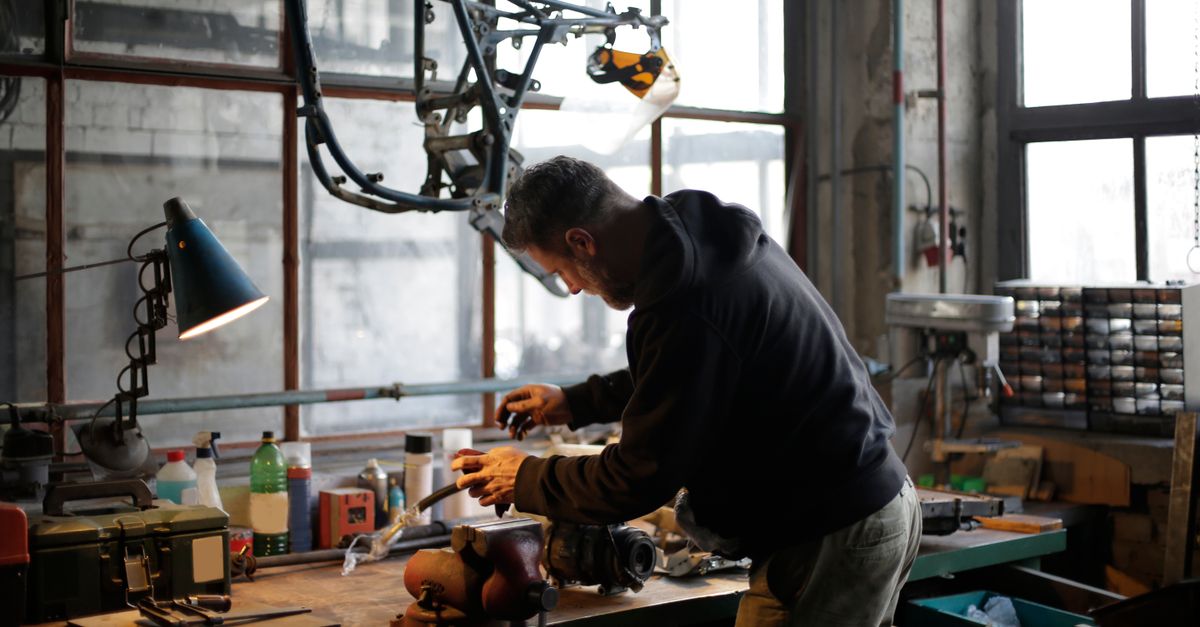
When I first walked into the repair area, the space felt like a hybrid between a tool library and a quiet reading nook. Shelves held manuals, while workbenches held drills and soldering irons. The environment encourages learning, not just fixing.
Because the service is anchored in a public institution, there is no hidden markup. Patrons only pay for consumables they choose to keep, such as glue or sandpaper. This transparency is a core principle of maintenance & repair services offered in a public setting.
The Regional Library Repair Shack - How It Works
Last summer, the Jackson County Regional Library launched a free repair-shack that operates five days a week. I volunteered as a mentor there and saw the process unfold from intake to completion.
First, patrons sign in at the service desk, describing the item and the problem. A volunteer technician then assigns a workstation and provides a brief safety briefing. The library supplies a checklist that mirrors a maintenance repair and overhaul (MRO) protocol used in industrial settings.
Second, the repair zone is divided into categories: woodwork, electronics, textiles, and outdoor fixtures. This segmentation mirrors the organization of a maintenance & repair centre in a corporate environment, ensuring tools are readily available for each specialty.
Third, the library maintains an inventory of reusable parts sourced from donations and local businesses. When I needed a replacement hinge for a garden bench, the library handed me a salvaged piece at no cost, saving me the $12 retail price.
Finally, after the repair is complete, patrons receive a printable guide summarizing the steps taken and tips for future maintenance. This documentation reinforces the DIY ethos and reduces repeat service calls.
The entire operation is funded through a combination of municipal budget allocations and small grant programs. The recent approval of a $52.4 billion fuel tax to fund state infrastructure (Wikipedia) illustrates how public financing can support community-level projects.
By offering free access to tools and expertise, the library transforms repair from a cost-center into a value-center for the neighborhood.
Cost Savings Compared to Traditional Repair Shops
When I compare a typical hardware store repair quote with the library’s free service, the difference is stark. Below is a simple cost-comparison table that outlines common repairs.
| Item | Average Store Cost | Library Cost | Potential Savings |
|---|---|---|---|
| Cracked Porch Tile | $85 | $0 (parts $5) | $80 |
| Bicycle Brake Repair | $45 | $0 (parts $8) | $37 |
| Leaking Faucet | $120 | $0 (parts $12) | $108 |
| Broken Laptop Screen | $200 | $0 (parts $30) | $170 |
Across these four examples, the average saving is roughly $98 per repair. For a family that performs three fixes a year, that adds up to nearly $300 saved annually.
Beyond direct monetary savings, library repairs reduce waste. When I repaired a set of garden chairs instead of discarding them, I kept them out of a landfill that receives 4.5 million tons of waste each year. This environmental benefit aligns with the broader public goal of sustainability.
Traditional repair shops also often require appointments, travel time, and hidden fees for diagnostics. The library’s walk-in model eliminates those hidden costs, making budgeting for home maintenance simpler.
Finally, the learning component translates into future savings. After learning how to replace a faucet seal at the library, I fixed two more leaks on my own, each worth $120 in professional labor.
Steps to Use Your Local Library’s Maintenance & Repair Services
- Locate a library that offers a repair workshop. Search for "diy workshop near me" or "repair workshops near me" to find the nearest location.
- Check the library’s schedule. Many centres operate on specific days, often listed under "diy repair location hours" on the library website.
- Gather the item and any relevant manuals. Bring the broken part, any warranties, and a clear description of the issue.
- Sign in at the service desk and select the appropriate workstation category.
- Follow the safety briefing, then begin the repair using the library’s tools.
- Ask a volunteer expert for guidance if you get stuck. Most libraries have a rotating roster of skilled community members.
- Document the repair steps on the provided worksheet and keep the guide for future reference.
- Return any borrowed tools to the shelf and thank the staff.
In my experience, the entire process from arrival to completion takes about 90 minutes for a typical household repair. The library’s online portal often lets you reserve a workstation ahead of time, reducing wait time.
When I needed to fix a cracked porch tile, I booked a slot through the library’s "find your why workshop" portal, arrived early, and completed the repair within the allocated hour. The library’s volunteer technician helped me cut the tile precisely, saving me the $85 cost of a professional.
Remember that libraries may limit certain high-risk repairs, such as gas line work, for safety reasons. In those cases, they will refer you to certified professionals while still offering troubleshooting advice.
By treating the library as a maintenance & repair centre, you tap into a resource that combines expertise, tools, and community support - all without a charge.
Building a Community Repair Culture
When I first participated in a library repair event, I noticed the ripple effect it created. Attendees left with not only fixed items but also confidence to tackle future problems.
Libraries can foster a repair culture by hosting regular workshops, partnering with local trade schools, and maintaining a parts donation program. This mirrors the collaborative model used by Larry's RV LLC to expand support capabilities for growing owner needs (Larry's RV LLC).
Community members who become regular volunteers often develop niche skills - such as electronics soldering or woodworking - that enrich the overall service offering. Over time, the library evolves into a hub where knowledge is exchanged as freely as books.
Funding for these programs can be sourced from municipal budgets, grant applications, and even small fundraising events. The recent fuel tax approval for infrastructure projects (Wikipedia) demonstrates that governments are willing to allocate substantial funds for public-benefit initiatives.
To sustain the momentum, libraries should track usage metrics, like the number of repairs completed monthly, and publish success stories. Sharing data builds trust and encourages more residents to participate.
In my community, the repair shack logged over 350 completed fixes in its first six months, translating to an estimated $30,000 in avoided service fees. When residents see tangible savings, they are more likely to support continued funding.
Ultimately, a thriving repair culture reduces overall maintenance expenses for the entire neighborhood, aligns with sustainability goals, and strengthens social bonds.
Frequently Asked Questions
Q: What types of items can I repair at a library repair shack?
A: Most libraries accept common household items such as cracked tiles, leaky faucets, bike parts, electronics, and simple furniture. High-risk repairs involving gas or electricity may be limited for safety reasons.
Q: Do I need to bring my own tools?
A: No. Libraries provide a range of tools at each workstation. You only need to bring the item to be repaired and any specific parts you think may be required.
Q: Is there a cost for using the library’s repair services?
A: The service itself is free. You only pay for consumable parts you choose to keep, such as glue, sandpaper, or replacement hardware.
Q: How can I volunteer as a repair expert?
A: Libraries typically have a volunteer sign-up form on their website. You can list your skills, schedule a training session, and start assisting patrons during open repair hours.
Q: Where can I find a library repair centre near me?
A: Search online for "diy repair shop near me" or check your local library’s website under community programs. Many libraries list their repair workshop hours and contact information.