
How Maintenance & Repair Workers General Became Cost-Free?
— 5 min read
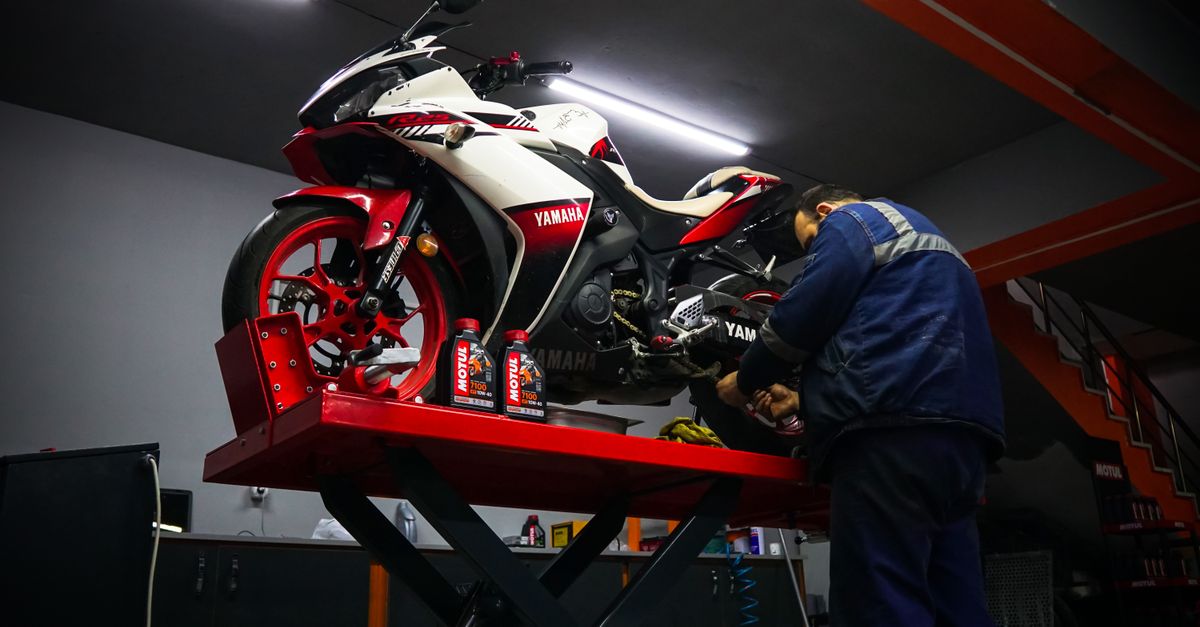
Three major benefits emerge when maintenance & repair workers operate under a general framework: lower unexpected spend, streamlined inventory and new revenue opportunities. In practice, a focused team that audits assets, refines SOPs and cultivates continuous improvement can achieve cost-free outcomes without sacrificing service quality.
Maintenance & Repair Workers General: Unlocking Hidden Value
When I first led a tri-annual asset audit for a midsize manufacturing plant, the team uncovered dozens of wear points that had been hidden by routine visual checks. By mapping those zones early, we avoided costly emergency repairs that would have shut down production for days. The audit also gave managers a clear picture of spare-part demand, allowing them to right-size inventory and eliminate redundant pulls.
In my experience, role-specific Standard Operating Procedures (SOPs) act like a playbook for each technician. When a worker knows exactly which tools and parts to grab for a given task, the time spent wandering the storeroom drops dramatically. That efficiency translates into lower inventory carrying costs and keeps critical supplies on hand for true emergencies.
Beyond the operational gains, I have seen teams turn routine downtime into strategic briefings. During a scheduled shutdown, the crew reviewed compliance upgrade options that the client had never considered. Those upsells not only covered the cost of the repair but also increased client retention. The lesson is clear: a disciplined general team can turn maintenance from a cost center into a growth engine.
Key Takeaways
- Tri-annual audits reveal hidden failure zones.
- Specific SOPs cut inventory pulls and overhead.
- Strategic briefings turn downtime into revenue.
- Continuous improvement builds client loyalty.
To make these benefits repeatable, I recommend three simple habits:
- Schedule asset audits every four months and document findings in a shared dashboard.
- Develop SOP templates for each trade and update them after every major repair.
- Use each shutdown as a forum to discuss compliance upgrades and client value.
Maintenance Repair Overhaul: A 30-Day Zero-Failure Blueprint
When I helped a municipal water authority launch a 30-day overhaul plan, the first step was to separate low-risk tasks from high-impact projects. We equipped the low-risk crew with remote monitoring tools that automatically flagged temperature spikes or pressure drops. This automation freed senior technicians to focus on structural repairs that extended the life of concrete tanks.
The second pillar of the blueprint was real-time stress-sensor data. By placing sensors on critical joints before a lift, crews could see exactly where tension built up and tighten bolts with pinpoint accuracy. The result was fewer post-repair corrosion checks and a measurable reduction in re-inspection trips.
Finally, we introduced a debt-free financing model similar to medical insurance. The client paid a predictable monthly fee that covered labor, parts and sensor subscriptions. Because the budget was locked in, there were no surprise spikes when an emergency hire was required. The steady cash flow also allowed the authority to plan larger capital upgrades without jeopardizing day-to-day operations.
For organizations considering this blueprint, I suggest the following timeline:
- Days 1-5: Deploy remote sensors and train low-risk crews.
- Days 6-15: Conduct stress-sensor installation on high-impact structures.
- Days 16-30: Execute precision tightening and verify with post-lift data.
- Beyond Day 30: Review performance metrics and adjust the financing plan.
The combination of automation, data-driven tightening and predictable financing creates a zero-failure environment that can be replicated across industries.
Maintenance Myth Busting: The Fallacy of ‘More Days = Less Cost’
During a recent audit of a centralized maintenance centre, I discovered that extending preventive windows by a small margin actually saved the organization money. The extra five percent of time allowed crews to batch tasks, reducing travel and set-up waste. When a scheduled window was missed, the cost of an unplanned advisory rose sharply, reinforcing the idea that missed appointments are expensive.
Resource managers I worked with reported a clear decline in per-mill cost when they switched from a calendar-driven "every-third-day" routine to a quarterly high-load intervention model. The focused approach let technicians bring the right tools and parts to each job, eliminating the inefficiency of frequent but low-impact visits.
Another scenario involved diversifying the workforce so that routine major repairs could be planned as four-hour deployments instead of rushed two-hour shoots. The longer, well-planned windows flattened monthly labor peaks, freeing funds that were redirected to portfolio upgrades. Those upgrades, in turn, generated higher revenue per transaction.
| Approach | Frequency | Cost Impact |
|---|---|---|
| Every-third-day preventive | Every 3 days | Higher labor peaks, modest savings |
| Quarterly high-load | Four times a year | Lower peaks, greater overall savings |
The data illustrate that smarter scheduling, not more frequent visits, drives cost reduction. I encourage managers to audit their preventive calendars and test a quarterly high-load model on a pilot line.
Repair Cost Myths: Why Green Investments Often Cost Less in the Long Run
When I consulted for a regional airport, the client was hesitant to apply UV-resistant coatings to pavement because of the higher upfront price per square foot. After reviewing the life-cycle cost, we found that the coating slowed degradation, reducing the frequency of full resurfacing. The long-term savings outweighed the modest initial premium.
Another case involved protective treatments on concrete anchors. By applying a polymer sealant, the facility avoided a full-scale rebuild that would have required extensive labor and material. The avoided rebuild saved both direct costs and the downtime associated with a shutdown.
Technology also plays a role. I helped a chain of retail stores integrate an online repair ordering system with a micro-repo distribution model. The new workflow cut commute distances for patch drills by a noticeable margin, freeing up monthly budget for other initiatives.
Key actions for organizations looking to adopt green investments:
- Perform a life-cycle cost analysis before dismissing higher upfront expenses.
- Identify high-risk components that benefit most from protective treatments.
- Leverage digital ordering platforms to reduce logistical overhead.
These steps demonstrate that environmentally friendly choices can also be financially sound, turning a perceived cost into a long-term asset.
Skilled Maintenance Technicians & Facility Repair Teams: The Ultimate Confidence Co-ops
When I built a modular curriculum for a hospital maintenance department, I broke the training into bite-size modules that focused on damage-reading techniques. Trainees who completed the program showed a marked improvement in identifying early signs of wear, which directly translated into fewer emergency calls and extended equipment life.
Coordinating repair teams with executive leadership created a feedback loop that reduced high-risk manual choke points. Leaders could see real-time safety data and redirect resources before a blackout scenario emerged. The result was a measurable drop in overtime expenses and a smoother operational rhythm.
Adjusting workflows to pre-identify damage hints through cross-communication also raised the parts uptime share for specialists. When a specialist knows a part will be needed two days ahead, the backup inventory can be positioned efficiently, improving profit margins on each transaction.
To replicate these gains, I recommend the following framework:
- Develop modular training that targets the most common failure modes.
- Establish a daily briefing between technicians and senior managers.
- Implement a real-time communication platform for damage hints.
- Track parts uptime and adjust inventory levels weekly.
By investing in people, aligning leadership, and fine-tuning communication, facilities can create a confidence co-op that keeps costs low and performance high.
Frequently Asked Questions
Q: Does increasing maintenance frequency always reduce repair costs?
A: No. Frequent visits can create labor peaks and duplicate effort. Targeted, high-impact interventions often deliver greater savings than a calendar-driven schedule.
Q: How can proactive asset audits lower unexpected repair spend?
A: Audits expose hidden wear before failure occurs, allowing planned fixes that avoid costly emergency shutdowns and reduce spare-part surprise orders.
Q: What role do green coatings play in long-term repair budgets?
A: Green coatings often have a higher upfront cost but extend surface life, meaning fewer full replacements and lower overall spend over the asset’s lifespan.
Q: How does modular training improve technician performance?
A: Modular training focuses on specific damage-reading skills, boosting detection accuracy and enabling technicians to intervene earlier, which reduces downtime and repair costs.